Exploring the Suffolk Coast Without Wheels
Introduction to Suffolk's Natural Charm
The Suffolk coastline is a stunning stretch of natural beauty, offering an idyllic escape for those seeking tranquility away from the bustling cities. This part of England is known for its picturesque landscapes, quaint coastal towns, and serene environments. Without the restraint of a car, you truly become part of the serene atmosphere, immersing yourself in the sounds, scents, and sights that make Suffolk unique.
Traverse the winding footpaths, breathe in the salty sea air, and let your curiosity lead the way as you explore the various beaches, heathlands, and estuaries. Walking or cycling along the paths, you'll stumble upon hidden gems: ancient churches, local wildlife, and views that are simply breathtaking.
Amid your adventures, you might find yourself in the charming village of Thorpeness, where a visit to the dolphin inn pub could offer the perfect respite. Here, you can savor locally sourced dishes or simply enjoy a refreshing pint, surrounded by friendly locals and like-minded travelers, all while soaking in the delightful coastal ambiance.

Cultural Heritage of the Saxons in Suffolk
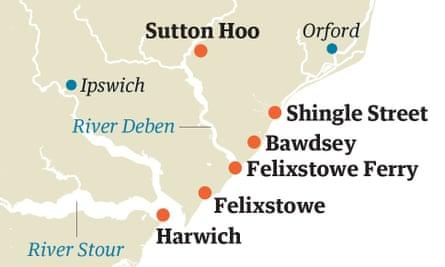
Suffolk's rich tapestry of history is interwoven with the cultural heritage of the Saxons. Scattered throughout Suffolk are historical sites and museums that tell the stories of this ancient civilization. From the reconstructed Anglo-Saxon village at West Stow to the burial mounds at Sutton Hoo, you can explore this cultural heritage on foot, delving deeper into the lives of those who once called the Suffolk coast their home.
Without the constraints of cars, these cultural excursions become much more than sightseeing; they evolve into a personal journey back in time. Imagine the Saxons traversing similar pathways, establishing their homes, and shaping the culture that still echoes throughout the county today.

Planning Your Travel: Tips and Essentials
When planning a car-free journey along the Suffolk coast, it's essential to be well-prepared. Here's a simple step-by-step guide to ensure a smooth trip:
Choose Your Base Wisely: Select a central location with good access to public transport or pathways, making it easier to explore the surrounding areas on foot or by bicycle.
Check the Weather: The UK's weather can be unpredictable. Be prepared with waterproof clothing and suitable footwear for your adventures.
Transport Options: Research local bus and train services as they can be an invaluable way to cover longer distances. Suffolk's coastal bus service is a traveler's favorite.
Stay Connected: Ensure you have access to local maps, either physical or digital, to help you navigate the coastline's trails and rural roads.
Support Local: From farm shops to local inns, try the local produce and services. It's a great way to experience the true essence of Suffolk and its people.
Choose Your Base Wisely:Check the Weather:Transport Options:Stay Connected:Support Local:
Below is a table outlining some key attractions along the Suffolk coast and how they can be accessed without a car:
Attraction | Location | Access by Foot | Access by Bicycle | Public Transport |
|---|---|---|---|---|
Aldeburgh Beach | Aldeburgh | Yes | Yes | Bus |
Orford Ness National Nature Reserve | Orford | Yes | Limited | Ferry (seasonal) |
Bawdsey | Limited | Yes | Bus | |
Southwold Pier | Southwold | Yes | Yes | Bus |
Radar Museum
With careful planning and a sense of adventure, exploring the Suffolk coast without wheels can be a deeply fulfilling and environmentally friendly way to travel. It's an opportunity to slow down, appreciate the natural and cultural offerings, and make memories that are bound to last a lifetime.
Getting There: Transportation Alternatives
Eco-Friendly Public Transport Options
Embarking on a journey that is both environmentally responsible and rewarding has never been easier, thanks to the variety of eco-friendly public transport options available. Cities around the world have expanded their offerings to include electric buses, solar-powered trains, and biodiesel-fueled trams. These advancements in public transport not only reduce carbon footprints but also offer convenient and often picturesque routes through metropolitan areas and beyond.
Many locales now offer digital platforms for purchasing tickets and planning routes, making it simple for travelers to identify the greenest transportation alternatives. In addition, real-time tracking of vehicles allows commuters to minimize waiting times and further enhance their travel experience. With the dual benefits of reducing traffic congestion and environmental impact, these eco-conscious choices are poised to become the preferred way forward for intrepid travelers.

Walking and Cycle Paths
Nothing connects a traveler more intimately with a destination than exploring it by foot or bicycle. Cities and towns are increasingly recognizing the value of sustainable tourism and are developing extensive networks of walking and cycling paths. These pathways offer safe, scenic routes that wind through historical districts, parklands, and along waterfronts, making them not only a choice for fitness enthusiasts but for any traveler seeking to immerse themselves in the local landscape.
Walking and cycle paths come with the added benefit of access to areas off the beaten path, where conventional transportation can't reach. The peace and quiet encountered on these routes make for a perfect opportunity to reflect, soak in the surroundings, and perhaps even spot local wildlife. For a memorable journey, consider taking a guidebook or downloading a map app to discover hidden gems along these pedestrian byways.
Car-Free Tour Operators and Packages
For those looking to explore without the worry of navigation, parking, or emissions, car-free tour operators and packages present a fantastic solution. These tours are curated to provide an immersive experience with an emphasis on local culture, cuisine, and history, all without the need for a personal vehicle.
Tour options range from single-day excursions to multi-day adventures and often include exclusive access to sights and experiences that are not available to the general public. Below, find a comparison of different car-free tour packages available in popular destinations:
Destination | Duration | Inclusions | Activity Level | Approximate Cost |
|---|---|---|---|---|
Wine Country Escape | 2 days | Guided tastings, Meals, Accommodations | Moderate | $450 |
Historical Cities Tour | 5 days | Guided tours, Entrance fees, Some meals | Low to moderate | $800 |
Island Retreat | 7 days | Boat transfers, Eco-lodging, Excursions | Moderate to high | $1500 |
National Park Adventure | 3 days | Ranger talks, Campground fees, Hiking permits | High | $350 |
Signing up for these tours not only encourages sustainable travel practices but also supports the local economy, connecting visitors with local guides who are deeply knowledgeable about the area's natural and cultural heritage. When selecting a tour operator, look for those with established sustainability practices to ensure your travel has a positive impact on the destinations you are visiting.
Historic Towns and Villages
Discovering the Old-World Beauty of Rural Suffolk
Nestled in the heart of Eastern England, rural Suffolk invites travelers to step back in time to a landscape dotted with historic jewels. Arriving in Suffolk, the gentle hum of the countryside echoes with tales of the past, as half-timbered houses and majestic church spires punctuate the skyline. Each village in this storied region offers its own unique embrace, welcoming visitors with a serene charm and a promise of discovering ages-old traditions.
Kersey, a quintessential medieval village, boasts narrow, winding streets lined with ancient houses, while Lavenham - often known as England's best-preserved medieval village - offers a visual feast with its colorful, leaning timber-framed cottages. A stroll through these cobblestone streets reveals artisans at work, local shops selling Suffolk-made delicacies, and cozy inns offering a taste of local ale and hearty traditional fare.

Saxons' Marks: Landmarks and Ruins
Dipping further into Suffolk's rich tapestry brings one to the footsteps of the Saxons, whose influence still lingers in the form of earthy marks and historic ruins. Framlingham Castle, once a formidable Norman fortress, now stands as a testament to the region's complex history. Its towering walls and broad moat evoke images of the past, while interactive exhibits bring the stories of its erstwhile residents to life.
For the intrepid explorer, the ancient Sutton Hoo burial grounds await. This awe-inspiring archaeological site was the burial place of Anglo-Saxon royalty, whose grave goods and riveting history were uncovered in what became one of Britain's most significant archaeological finds.
Market Towns and Village Fetes
Suffolk's market towns are a tapestry of community life, humming with activity during weekly markets and annual village fetes. These traditional events offer a glimpse into local customs, with stalls brimming with handcrafted goods, homespun textiles, and the freshest local produce.
The following table highlights a year-round schedule of fetes in some of Suffolk's most inviting market towns, guaranteeing that whenever you visit, a unique cultural experience awaits:
Month | Market Town | Event | Highlights | Location |
|---|---|---|---|---|
May | Bury St Edmunds | Whitsun Fayre | Flower displays, farmer's market | Angel Hill |
July | Southwold | Southwold Arts Festival | Performances, workshops | Various venues |
September | Aldeburgh | Food & Drink Festival | Gourmet tastings, chef demos | Snape Maltings |
December | Woodbridge | Christmas Market | Seasonal crafts, mulled wine | Market Hill |
Each event encapsulates the community spirit of Suffolk, offering visitors not just a spectacle but an invitation to partake in the celebration of local culture and hospitality. Whether it's by sampling a delicacy, tapping your foot to a folk song, or simply wandering amongst vibrant stalls, these fetes are gateways to understanding the heart and soul of this enchanting English county.
Coastal Wonders: Beaches and Nature Reserves
Shingle Beaches: A Unique Landscape
When one thinks of beaches, the first image that comes to mind is often miles of soft, white sand. Yet, shingle beaches provide an entirely different experience that can be just as enthralling. Composed predominantly of pebbles, cobbles, and sometimes shells, these beaches offer a distinctive crunch underfoot and a lesser frequented landscape for tranquil seaside visits.
Not only do they paint a unique picture for the eyes, but shingle beaches are also a geological marvel. They are shaped by the persistent motion of waves and currents, which sorts and layers the pebbles according to size, sometimes creating beautiful, natural mosaics.
These pebbly expanses host delicate ecosystems, where plants and animals have adapted to the rigorous environment. The absence of fine sand means less beach erosion, allowing for the development of rare flora and fauna that can be explored with care and respect for the natural habitat.
A visit to a shingle beach can be a clairvoyant experience—as the waves retreat, the stones rattle and whisper tales of the timeless relationship between the sea and the land.

Wildlife Encounters at Nature Reserves
Nature reserves along the coast serve as sanctuaries not only for the flora and fauna that inhabit them but also for the human spirit. They preserve the raw beauty of coastal ecosystems, ensuring that wildlife thrives and visitors have the opportunity to witness nature in its purest form.
Meandering through a coastal nature reserve, you may encounter an array of bird species, from the majestic flight of a hunting osprey to the serene wading of herons. Mammals, insects, and diverse plant life also contribute to the tapestry of life in these precious environments.
The table below outlines common wildlife you might see in various coastal nature reserves:
Wildlife | Common Habitats | Best Time to Observe |
|---|---|---|
Sea Turtles | Beachfronts | Nesting season at night |
Shorebirds | Mudflats & Salt Marshes | Early morning or late afternoon |
Seals | Rocky Shores | Tide receding |
Butterflies | Coastal Prairies | Warm, sunny days |
Foxes | Dune Systems | Dusk or dawn |
Ranging from guided tours to self-led treks, a visit to a nature reserve can be tailored to suit any traveler's adventure level. Observing quietly, keeping a respectful distance, and following reserve rules are the best ways to ensure a thrilling and eco-friendly wildlife experience.
Maritime Adventures Without a Boat
You don't need to set sail to have a maritime adventure. The coast's varied landscape presents abundant opportunities for those looking to explore without a boat. Below are steps to enjoy a salt-tinged journey on foot.
Coastal Walks: Start with a mapped coastal path or trail. This could take you along cliff tops with breathtaking views or past historical shipwrecks revealed at low tide.
Tidal Pool Exploration: Visit tidal pools at low tide to discover marine life. Look for crabs, sea anemones, and the myriad tiny creatures that inhabit these transient ecosystems.
Beachcombing: Partake in the meditative activity of beachcombing. With the ebb and flow of the ocean, you might find surprising treasures washed ashore—driftwood sculptures, colorful sea glass, or even messages in bottles.
Participate in a Coastal Cleanup: Make your maritime adventure meaningful by joining a coastal cleanup effort. It's a way to give back to the environment and ensure the beauty of the coastline for future explorers.
Coastal Walks:Tidal Pool Exploration:Beachcombing:Participate in a Coastal Cleanup:
Whether it's feeling the spray of the sea from a rocky outcrop or digging your toes into wet sand, maritime adventures can be as expansive or intimate as you wish, without ever leaving the shore.

Local Delights: Food and Accommodation
Suffolk's Culinary Offerings
Travelers with a penchant for palate-pleasing experiences will find Suffolk's gastronomy both rich and varied. The county prides itself on local produce, including heritage pork, freshly-caught fish, and a delightful array of farmhouse cheeses. Savor the authentic tastes of the region through inventive dishes crafted by passionate chefs at the heart of the picturesque countryside.
A visit here would be incomplete without indulging in traditional British fare at a historic pub, or treating yourself to a seascape dinner featuring the infamous Brancaster mussels. From bustling farmers' markets to quiet tea rooms offering the quintessential English afternoon tea, Suffolk's culinary offerings are sure to leave taste buds tantalized and memories cherished.
Unique Stays: From Lighthouses to Rural Cottages
In Suffolk, enchanting accommodation options are as diverse as the landscape itself, promising unique stays that transform traditional travel into extraordinary experiences. Imagine waking up to the soothing sounds of the sea in a converted lighthouse. Or perhaps nestled within the calming embrace of a thatched rural cottage, you'll find your haven.
For adventurous souls, a night in a historic windmill provides a story to tell for years to come, while luxury seekers might find indulgence in a grand country estate. Each stay is more than a place to rest; it is an invitation to immerse oneself in Suffolk's timeless charm.
Type of Accommodation | Experience |
|---|---|
Converted Lighthouse | Maritime adventure with panoramic ocean views |
Rural Cottage | Cozy retreat amidst tranquil countryside |
Historic Windmill | Picturesque stay with a touch of heritage |
Country Estate | Luxury enveloped in rolling meadows and woodlands |
Supporting Sustainable Tourism
Suffolk is not just a destination; it's a community deeply rooted in the love for its environment and traditions. Supporting sustainable tourism not only enhances your travel experience but also ensures that the beauty of this region can be cherished by generations to come. Choose accommodations that prioritize eco-friendly practices, dine at restaurants that source ingredients locally, and travel through the region with minimal impact.
By engaging in sustainable activities such as bike tours of the countryside, participating in beach clean-ups, and visiting conservation projects, visitors play an active role in maintaining Suffolk's natural allure. Here's how you can contribute to sustainability during your stay:
Opt for Green Accommodation: Select from a range of eco-certified hotels and B&Bs dedicated to sustainability.
Local Food and Produce: Enjoy meals at establishments that use local, seasonal ingredients to reduce carbon footprint.
Conserve and Preserve: Be mindful of your resource usage and engage in conservation efforts.
Educational Visits: Learn at local museums and eco-centers about the area's natural and cultural heritage.
Opt for Green Accommodation:Local Food and Produce:Conserve and Preserve:Educational Visits:
Activities and Experiences
Heritage Railways and Nostalgic Rides
Step back in time with a journey on one of the many heritage railways that snake through the scenic landscapes of yesteryear. These vintage trains, often powered by steam, offer a window into the past and a slower pace of life. You'll enjoy the chug of the engine, the hiss of steam, and views of the countryside that have remained largely unchanged for decades.
Many of these railways host special event days with costumed characters and activities that are sure to enchant travelers of all ages. These nostalgic rides aren't just about transportation; they're about creating memorable moments steeped in history.
For the enthusiasts interested in the specifics of these historic machines, detailed tours are usually available. Guides brimming with knowledge on the mechanics and history of the locomotives provide an in-depth look at the golden age of rail travel.
Railway | Location | Experience Type | Special Events |
|---|---|---|---|
The Timeless Express | Yorkshire Dales | Steam-powered journey | Christmas-themed rides |
The Highland Chuffer | Scottish Highlands | Historic diesel trip | Autumn foliage tours |
The Coastal Puffer | Cornish Coast | Cliffside steamer | Summer heritage fairs |
The Royal Carriage | Buckinghamshire | Luxury dining experience | Murder mystery evenings |
Artistic Retreats and Workshops
Unlock your creativity in the tranquil setting of an artistic retreat. Whether you're a seasoned artist or a curious beginner, the seclusion and natural beauty of these destinations can inspire masterpieces.
Workshops range from painting and sculpting to photography and writing, often hosted by experts in the field. Beyond honing your craft, these retreats offer the calming presence of like-minded individuals and the space to explore your artistic passions without distraction.
Step-by-Step Artistic Workshop Experience:
Choose a retreat that resonates with your desired art form and setting.
Engage with your instructor and peers in hands-on sessions tailored to your skill level.
Enjoy communal meals and discussions, fostering a sense of camaraderie and collaboration.
Spend free time immersed in your surroundings, gathering inspiration from nature or local culture.
End the retreat with a showcase of your work, celebrating the progress and connections made.
Festivals and Seasonal Events
No travel experience is truly complete without immersing oneself in the local culture, and what better way to do that than by partaking in festivals and seasonal events? These gatherings can range from music festivals that pulse with the country's heartbeats to harvest festivals that offer a taste of regional cuisine.

Such events often provide a platform for local artisans and performers to showcase their talents, giving visitors an authentic insight into the community's spirit. Embrace the opportunity to join in traditional dances, sample exotic foods, or simply be a spectator to the vivid displays of culture and festivity.
The table below highlights some annual events that are sure to captivate and entertain:
Event | Location | Time of Year | Activity Highlights |
|---|---|---|---|
The Winter Lights Festival | Edinburgh | December-January | Light installations, night markets |
The Spring Flower Parade | Chelsea | May | Floats adorned with flowers, gardening workshops |
The Summer Solstice Fair | Stonehenge | June | Druid ceremonies, folk music |
The Autumn Harvest Festival | Kent | September-October | Pumpkin picking, hayrides, corn mazes |
Practicalities of a Car-Free Holiday
Packing Smart for Mobility
When embarking on a car-free holiday, every item you pack must be justified. Your suitcase is not just a container, but a companion that comes with you on buses, trains, and on foot. Consider lightweight clothing that can be layered for different climates; versatile shoes comfortable enough for extensive walking; and a compact, water-resistant daypack for daily excursions. Vacuum-sealing less-used garments can save space, and repacking electronics into multi-use containers reduces clutter.
To help prioritize what to bring, organize your items into categories: essentials, clothing, gadgets, and personal items. Here's a handy packing list:
Category | Item | Quantity | Note |
|---|---|---|---|
Essentials | Passport/ID | 1 | Keep secure & accessible |
Essentials | Cash/Cards | As needed | Notify bank of travel |
Clothing | Undergarments | 1 per day | Breathable fabric |
Gadgets | Phone Charger | 1 | Consider a power bank |
Personal | First-Aid Kit | 1 | Include personal medication |
Navigating Public Services and Facilities
Start by researching your destination's public transport options and familiarizing yourself with the schedules. Apps often provide real-time updates for buses, trains, and ferries, which can help streamline your travel. Don't forget to explore pass options – many cities offer tourist passes that include unlimited travel and discounts to attractions.
When booking accommodations, prioritize locations with proximity to transit lines. A central base can save you time and energy. Additionally, inquire about any shuttle services or partnerships with local transport companies that your accommodation might offer as a perk.
Safety and Emergency Information
No matter the destination, safety should never take a back seat. Begin by programming your phone with local emergency numbers, including the nearest embassy or consulate if you're abroad. Be aware of the safety features available on public transport – note the location of emergency buttons and exits on trains or buses.
Should you need medical assistance, understanding your health insurance coverage is critical. Identify local clinics or hospitals and keep a list of essential contacts written down in case your phone battery dies. Here's a step-by-step guide to handling emergencies:
Stay calm and assess the situation.
Call the local emergency number if necessary.
Communicate clearly, providing your location and the nature of the emergency.
If you require medical attention, proceed to the nearest safe place to wait for help or follow instructions given by emergency services.
After the situation is under control, document any incidents and follow up with your embassy if needed.
Conclusion: Embracing the Slow Travel Movement
The Benefits of Slow Travel in Suffolk
Suffolk, with its gentle rolling hills and time-honored landscapes, invites travelers to embrace the slow travel movement. Slow travel isn't about ticking boxes; it is an indulgence in the journey itself. By meandering through the charming villages and pausing to appreciate the luscious greenery, visitors connect deeply with the local environment. They savor regional cuisines at leisure, interact meaningfully with residents, and immerse themselves in the culture, history, and stories of the place.
Engaging in slow travel in Suffolk cultivates a sense of mindfulness and appreciation. It's about letting go of the usual hurry, to establish a richer connection with time and space. One may spend hours birdwatching in RSPB Minsmere, venture on a long, contemplative walk by the coast, or get lost in a captivating novel in a countryside pub. Suffolk embodies a rewarding backdrop for these experiences, offering the traveler a tapestry of moments painted with tranquility and introspection.
Leaving Less of a Footprint Behind
As the world becomes more conscious of environmental impacts, the slow travel movement stands out as a sustainable alternative to traditional tourism. By focusing on local experiences and avoiding the pollution associated with frequent, long-distance journeys, slow travel inherently promotes a lighter footprint. In Suffolk, this notion is embraced through responsible lodging options, farm-to-table eateries, and an array of activities that require little to no transportation, ensuring that your presence enriches rather than exploits the surroundings.
Here's how slow travel impacts the environment differently:
Aspect | Traditional Travel | Slow Travel |
|---|---|---|
Transportation | Frequent and long-distance | Minimal and local |
Accommodation | Chain hotels with high carbon footprint | Local inns and guesthouses |
Activity Pace | Rushed, trying to see 'everything' | Relaxed, immersive experiences |
Resource Use | High due to convenience | Lower; emphasis on sustainability |
Personal Reflections on a Car-Free Journey
Embarking on a car-free journey through Suffolk illuminates the textures of the landscape in an intimate way. Without the barrier of a car window, the senses are free to engage. You feel the breeze against your skin, smell the fresh bloom of wildflowers, and hear the subtle rustle of leaves. The slower pace also allows you to notice details that might otherwise go unseen: the intricate architecture of half-timbered houses, the skilled craftsmanship of a thatched roof, or the warmth of a smile from a local passing by.
To truly embrace a slow travel mindset, follow these steps on your next Suffolk adventure:
Choose a village as your base and check into a locally-owned B&B.
Explore the area on foot or bike, without a strict timetable.
Spend time in local shops and cafes, and perhaps strike up conversations.
Attend a community event or market to feel the pulse of the locale.
Wrap up your days with quiet evenings, reflecting in a journal or chatting with hosts and other travelers.
This mindful approach to travel enriches the soul, creates lasting memories, and fosters a true sense of belonging in the world. Suffolk, with its understated beauty and unhurried rhythm, is a perfect canvas for travelers to sketch their own slow-travel stories.