Honoring Fallen U.S. Service Members in Recent Tragedies

All Ohio. All the time.

Introduction: A Series of Tragic Losses

Recent incidents involving U.S. military personnel have resulted in the deaths of Ohio National Guard members, Marines, and other soldiers. These losses, occurring in separate but equally devastating events, have shaken communities across the United States. Families, fellow service members, and citizens are mourning the lives cut short in combat-related operations, training missions, and vehicle accidents.

Ohio National Guard Members Killed in Action

Among the tragedies reported, two Ohio National Guard members were killed while serving their country. These citizen-soldiers, who balance civilian lives with military duty, embody the dual commitment at the heart of the National Guard. Their deaths underscore the risks Guard members face whenever they are called to support overseas missions, domestic operations, or training exercises.

The loss of two Ohio National Guard soldiers reverberates deeply throughout their home state. Guard units are often tightly knit, built on years of shared service, community ties, and family connections. Local memorials, unit tributes, and statewide remembrances reflect the profound respect held for these fallen service members and the sacrifice they made.

Four Marines Killed in Service

In a separate incident, four U.S. Marines were killed, further adding to the toll of recent military casualties. The Marine Corps is known for its demanding operations and its emphasis on readiness, often placing its members in high-risk environments. Whether these Marines were lost in combat, training, or support operations, their deaths are a sobering reminder that military service remains inherently dangerous even outside active battlefields.

Marines serve at the front line of U.S. defense, and losing four in a single event sends shockwaves through their units and the broader military community. Ceremonies at Marine installations, the solemn dignity of the Marine Corps flag presented to families, and the echoes of final salutes all speak to the deep honor accorded to their service.

Vehicle Accident Claims One Service Member

Not all military fatalities occur under direct enemy fire. A separate vehicle accident claimed the life of another service member, illustrating how transportation incidents remain a significant hazard for those in uniform. Convoy operations, training movements, and routine logistical support often require extensive travel by ground vehicles, which can be vulnerable to both environmental conditions and human error.

This single loss is no less significant than casualties recorded in combat. For the family, unit, and friends of the fallen, the grief is the same. The military response typically includes a thorough investigation, safety reviews, and measures to help prevent similar accidents in the future, underscoring the importance of constant vigilance even in seemingly routine operations.

Five Soldiers Killed and Twenty Wounded

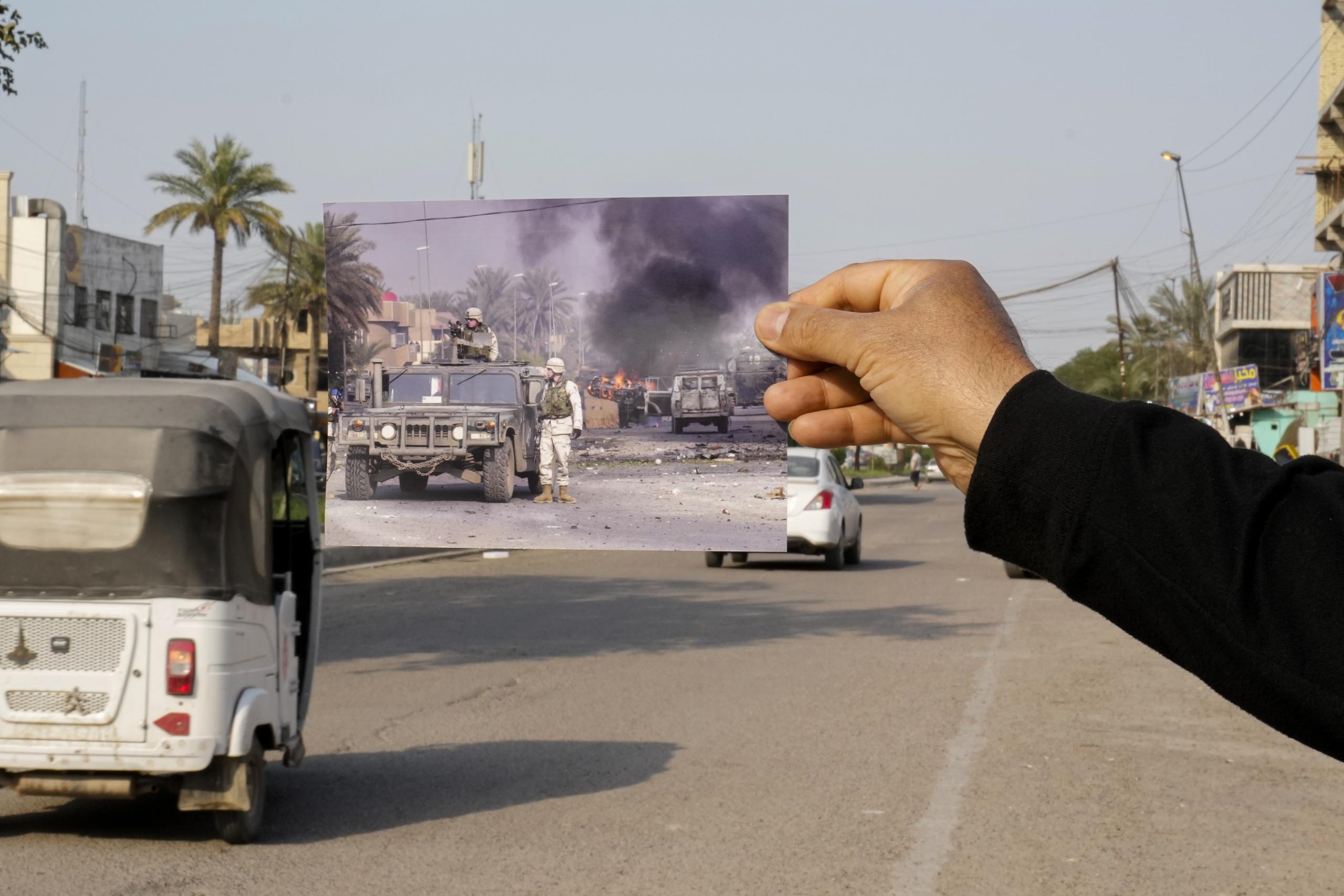
Another devastating event reported involved five soldiers killed and twenty wounded. A casualty count of this magnitude suggests a major incident, whether due to hostile action, an explosion, or a catastrophic equipment or infrastructure failure. The combination of multiple fatalities and a large number of wounded places a heavy strain on medical teams, commanders, and support personnel.

In the aftermath of such incidents, military leadership works to stabilize the situation, ensure rapid medical evacuation, and provide urgent care to the wounded. Simultaneously, efforts begin to notify families, support survivors, and analyze what occurred in order to improve training, equipment, and procedures. The sacrifice of those five soldiers, alongside the resilience of the twenty wounded, becomes part of the ongoing story of service and endurance in the face of danger.

Death of a U.S. Soldier in Ongoing Operations

Reports also confirm the death of a U.S. soldier in another related incident. Whether serving with a forward-deployed unit, performing advisory duties, or supporting missions from a rear position, every soldier operates within a larger framework designed to maintain security and fulfill national objectives. The death of this individual soldier represents yet another personal tragedy in a series of somber events.

Each time a member of the armed forces dies, the military carries out a set of carefully structured honors: the notification of next of kin, casualty assistance for the family, and, often, a military funeral with full honors. These rituals formally acknowledge the value of a life dedicated to service and the gravity of the loss.

The Human Cost Behind the Headlines

When reports mention figures such as two Ohio National Guard members, four Marines, five soldiers, and a single U.S. soldier, it can be easy to see them as statistics. Yet behind each number is a name, a face, and a story. They were parents, children, spouses, friends, coworkers, and neighbors. They left behind unfinished plans, ongoing dreams, and communities forever changed by their absence.

The families of the fallen face not only deep emotional pain but also practical challenges, from navigating benefits and support systems to restructuring their daily lives. Grief counselors, chaplains, peer-support networks, and veterans organizations work together to help these families cope with a loss that cannot be measured in any official report.

Impact on Units and the Military Community

Within the units affected, the deaths of comrades can alter dynamics overnight. Service members must manage their grief while continuing to perform their duties. Leaders are tasked with maintaining operational readiness, reviewing safety protocols, and supporting the emotional well-being of their troops. Memorial services on bases and at forward locations allow units to pause, remember, and recommit to their mission.

These incidents also encourage ongoing discussions about training standards, equipment maintenance, medical readiness, mental health, and family support. Each tragedy prompts renewed efforts to reduce risks and improve survivability, ensuring that lessons learned are not forgotten.

National Reflection and Remembrance

At a national level, the deaths of service members renew public reflection on the cost of security and the responsibilities of citizenship. Ceremonies on military installations, moments of silence at public events, and flags lowered to half-staff serve as visible reminders of the price paid by those in uniform.

Communities in Ohio, the home states of the Marines, and the hometowns of every fallen soldier are likely to hold vigils, dedications, and local memorials. Schools, civic organizations, and veterans groups often join together to honor the deceased, sharing their stories and emphasizing the importance of understanding, rather than overlooking, the realities of military service.

Supporting the Families of the Fallen

For families, the period following a loss is marked by both immediate and long-term needs. Initially, casualty assistance officers help navigate funeral arrangements, benefits, and paperwork. Over time, however, emotional resilience and community support become even more critical. Military and civilian counseling services, survivor support organizations, and peer-to-peer groups offer spaces in which loved ones can share experiences, find validation, and gradually rebuild their lives.

Acts of remembrance—such as scholarship funds, memorial runs, and dedication ceremonies—can provide a sense of legacy for the fallen. These efforts ensure that their names, contributions, and sacrifices endure beyond their years of active service.

Looking Forward While Honoring the Past

Even as the nation mourns these recent losses, the work of the armed forces continues. Units must train, deploy, and fulfill their missions around the world. Leaders carry the memory of fallen service members with them as they refine tactics, update safety procedures, and invest in better equipment and training. In this way, every tragedy becomes part of a broader commitment to protect those who serve today and those who will serve in the future.

Remembering the two Ohio National Guard members, the four Marines, the soldiers killed and wounded, and the individual U.S. soldier who lost their lives is not only an act of respect but a call to remain mindful of what military service truly entails. Their stories remind us that security is not an abstract concept but a daily reality carried on the shoulders of real people and their families.

Conclusion: A Shared Responsibility of Memory

From National Guard units in Ohio to Marine bases and Army posts across the country, each of these losses has left a lasting imprint. Honoring the fallen involves more than ceremonies; it requires an ongoing commitment to understanding the human cost of conflict, supporting military families, and recognizing the sacrifices made in the name of national security. As the nation reflects on these recent tragedies, remembering each life and each family affected becomes a shared responsibility.

In many communities where these fallen service members lived, trained, or were mourned, local life continues around the bases and armories that anchor military families. Hotels near military installations often become quiet witnesses to these stories, hosting relatives who travel to attend memorial services, veterans returning to visit old units, or families relocating between duty stations. For some guests, a hotel stay marks a moment of reunion and relief; for others, it is a place of reflection before or after solemn ceremonies. The ability to find respectful, comfortable lodging close to bases, memorials, and cemeteries can ease the logistical burden on grieving families and visiting comrades, allowing them to focus on honoring those who have served and sacrificed.